How Do I Explain Total THC to a Buyer Without Sounding Clueless?
Short answer: tell the buyer that total THC estimates the THC a product could deliver after THCA converts into delta-9 THC, rather than counting only the delta-9 THC present at the en.mercopress time of testing. Then show the calculation, point to the certificate of analysis (COA), and explain how the result relates to the applicable product limit.
That explanation matters more as US hemp policy shifts from focusing mainly on delta-9 THC to accounting for delta-9 plus THCA. For anyone selling or buying hemp flower, the distinction is practical: a flower COA can show low delta-9 THC and still show substantial total THC because of its THCA content.
There is also a federal policy change to track. The new US hemp definition includes a 0.4 mg total THC per-container cap for certain hemp-derived cannabinoid products, and the transition is commonly discussed in connection with a December 11 deadline. Before quoting that date as a universal compliance deadline, confirm the specific law, notice, product category, and effective-date language that applies to your business. A date in a rulemaking or transition schedule is not automatically the same thing as a deadline for every product or state.
The Buyer-Friendly Explanation
Try this:
“Delta-9 THC is the amount already present in that form when the lab tests the sample. THCA can convert into delta-9 THC when heated, so total THC estimates both together. The COA shows the measured values and the calculation.”
That is clear without overselling what the number means. Total THC is a calculated measure, not a promise about a consumer’s experience, and it does not replace checking the applicable legal standard. If the buyer wants the shortest version, say: “Total THC includes delta-9 THC plus the potential THC from THCA.”
What “Total THC” Means on a COA
Fresh or unheated cannabis flower commonly contains THCA, the acidic precursor to delta-9 THC. Heat can convert THCA into delta-9 THC through decarboxylation. Because THCA loses mass during that process, the calculation does not simply add the full THCA percentage to the delta-9 percentage.
A commonly used calculation is:
Total THC = delta-9 THC + (THCA × 0.877)
The 0.877 conversion accounts for the approximate mass lost when THCA converts to delta-9 THC. For example, if a COA reports 0.20% delta-9 THC and 20.00% THCA, the calculation is:
0.20% + (20.00% × 0.877) = 17.74% total THC

This is a useful example of why a buyer should not judge flower by the delta-9 line alone. The sample has a low delta-9 result at testing, but its THCA content makes its calculated total THC much higher. Always use the actual COA values and the method or reporting convention required for the product and jurisdiction. Labs may differ in how they display results, and regulations can specify how compliance is determined.
Keep These Terms Separate
- Delta-9 THC: the measured amount of delta-9 THC in the sample.
- THCA: the measured acidic precursor that can convert to delta-9 THC when heated.
- Total THC: a calculated figure that generally combines delta-9 THC with the converted THCA contribution.
- COA: the laboratory report showing sample identity, results, and relevant testing information.
“Total THC” should not be confused with “total cannabinoids.” Nor should a seller use “THC-free” just because the delta-9 result is low or reported as not detected. The correct wording depends on the complete test results, the reporting limits, and the rules that apply to the claim.
Why the Shift in Federal Policy Matters
Historically, many people discussed hemp compliance by referring to a delta-9 THC threshold. The policy shift puts greater emphasis on total THC, including THCA, and on the amount in a finished container for covered products. That changes the conversation from “What does the delta-9 line say?” to “What does the product contain under the relevant total-THC calculation, and how much is in the container?”
The US Department of Agriculture (USDA) is part of the federal hemp-regulation landscape, especially for hemp production and the domestic hemp program. But businesses should not assume that every product rule comes from USDA or that a USDA-facing requirement answers every question about finished goods, sales, labeling, or state restrictions. Identify the authority and rule that actually govern the product in question.
The 0.4 mg per-container cap is especially important to discuss carefully. It is a limit expressed as an amount per container, not the same thing as a percentage by weight. Do not compare a COA percentage directly with a per-container milligram cap without accounting for the product’s total mass and the applicable measurement rules. Also, do not assume that every product category is treated identically; verify the statutory definition and any implementing guidance.
The December 11 US hemp rule deadline deserves the same care. If a buyer, distributor, or retailer asks whether a product is compliant “by December 11,” establish which deadline they mean: an effective date, a transition period, a submission deadline, or a state-specific cutoff. Dates can be amended, clarified, or applied differently across product types. Put the exact source and date in your compliance file rather than relying on a sales summary or a social-media post.
One-sentence legal takeaway: A deadline or THC cap only answers a compliance question when you have matched the exact effective date, product category, testing basis, and governing rule.
Why Flower Shipments Are at Highest Risk
Flower shipments are at highest risk in this transition because raw flower can contain significant THCA even when delta-9 THC alone appears low. A buyer relying only on the delta-9 line may conclude that a shipment fits a threshold, while a total-THC calculation tells a different story. Flower also moves through multiple hands, so a mismatch between the COA, lot, label, and shipment documents can become a commercial and compliance problem quickly.
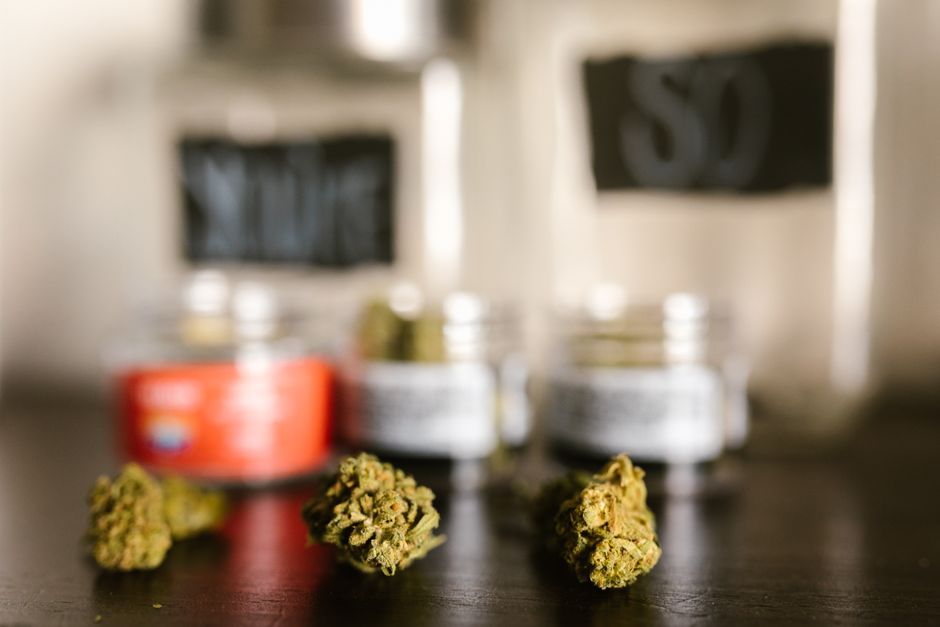
That does not mean every flower shipment is automatically unlawful. It means the product needs careful classification, representative sampling, clear documentation, and a current reading of the rules that apply to its route to market. Do not make a blanket “legal everywhere” claim based on one lab result or one federal threshold.
Flower Shipment Checks
- Match the COA to the exact lot, SKU, and shipment; confirm that the sample identity is traceable.
- Review delta-9 THC, THCA, and the reported or calculated total THC—not just one result.
- Check the lab’s reporting units, method, and limit of quantitation where relevant.
- Confirm whether the applicable standard is based on dry weight, total product weight, total THC, or amount per container.
- Verify destination-state requirements and carrier or buyer specifications before dispatch.
- Keep invoices, labels, batch records, shipping documents, and the matching COA together.
COA Talking Points That Build Buyer Confidence
Strong COA talking points are factual, short, and easy to verify. Instead of telling a buyer, “It’s compliant,” walk them through what the report says and what still needs to be checked.
- Identify the batch. “This COA corresponds to lot 24-___, which is the lot on the package and invoice.”
- Point to the relevant analytes. “Here are the delta-9 THC and THCA results; total THC is calculated using the stated method.”
- Explain the conversion. “The calculation uses THCA × 0.877, then adds delta-9 THC.”
- Clarify the units. “These results are percentages by weight” or “These results are milligrams per serving/container,” as applicable.
- State what the report does not establish. “The COA supports the test results for this sample; it does not, by itself, certify compliance in every state or for every product category.”
- Offer access to the record. “We use third-party lab testing, and batch lab results are posted online so you can check the report against the lot number.”
How to Talk About the December 11 Deadline
When a buyer brings up December 11, avoid bluffing or giving a date without context. Say: “We are tracking the December 11 milestone, and we’re confirming how the final effective-date language applies to this product and shipment.” Then provide the source you are relying on, its publication or update date, and the product category it covers.
This is not evasive; it is responsible. Regulatory dates are easy to repeat and easy to misapply. A distributor may be talking about a state rule, a federal transition, or an internal purchasing cutoff. Ask which one they mean. If the answer affects a shipment decision, have qualified counsel or a compliance specialist confirm the interpretation in writing.
What Brands Can Learn from Transparent COA Practices
Brands such as Joy Organics show why clear testing and accessible product information matter to buyers who want to verify claims rather than take them on faith. The useful lesson is not to copy another company’s wording or assume its approach resolves your obligations. It is to make the documentation easy to find, connect it to the specific batch, and explain the results in plain language.
Industry groups such as the US Hemp Roundtable can also help businesses follow policy developments and understand how the sector is discussing proposed or enacted changes. Treat association materials as a starting point, not a substitute for the controlling legal text or advice tailored to your product and route to market.
A Simple Script for Sales and Compliance Teams
Use a consistent script so sales staff do not make claims that the COA cannot support:
You know what's funny? “this report lists delta-9 thc and thca separately. Total THC accounts for the potential conversion of THCA using the 0.877 factor, then adds the measured delta-9 THC. Here is the COA for this batch. We use third-party lab testing and post batch lab results online. We’re also checking the current federal and destination-state requirements for this product, including any applicable December 11 milestone.”
That script is specific without claiming universal legality. Train staff not to describe flower as “THC-free,” “guaranteed compliant,” or “legal in all 50 states” unless the evidence and applicable rules genuinely support the exact claim.
The Bottom Line
To explain total THC without sounding clueless, separate the analytes, show the math, and connect the result to the product and rule being discussed. Say delta-9 plus THCA, explain the 0.877 conversion, and point the buyer to the batch-specific COA. With the shift toward total THC and the new 0.4 mg per-container cap for covered products, flower shipments deserve especially close review. And when December 11 comes up, verify the exact deadline and its scope before promising a buyer that a shipment is cleared.